Emergency Roof Tarping: What Homeowners Need to Know

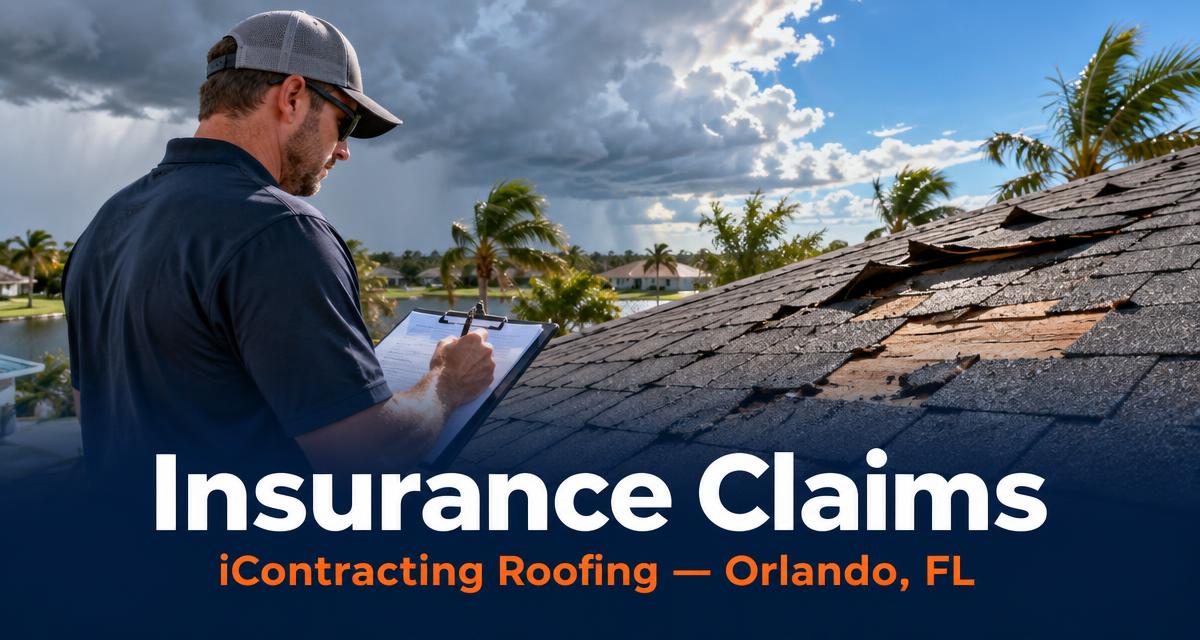
When a storm opens up your roof, the clock starts. Every rain that follows pushes more water into your decking, insulation, drywall, and belongings. Emergency tarping is the fast, temporary fix that stops that damage while you arrange permanent repairs — and in Florida's rainy season, it can save you thousands in secondary damage.
When you need emergency tarping
- Missing shingles or visible holes after a storm
- A fallen tree or branch that punctured the roof
- Active leaks during or after heavy rain
- Wind damage that lifted or peeled back a section of roofing
- Any opening where rain can enter before permanent repairs are scheduled
If water is getting in and the permanent repair can't happen immediately, you need a tarp. Even a few days of exposure during Florida's afternoon thunderstorm season can turn a roof repair into a roof repair plus mold remediation and interior reconstruction.
How professional tarping works
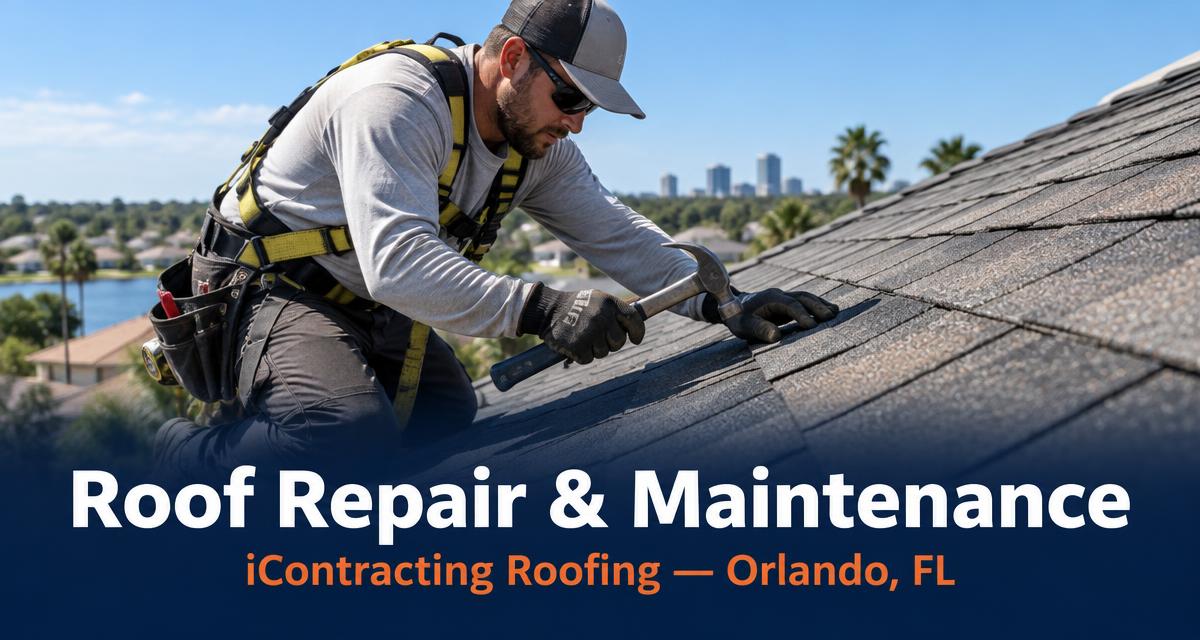
- Assessment — the crew inspects the damage from the roof and from inside the attic to determine the full area that needs coverage, which is often larger than the visible hole.
- Debris removal — loose shingles, branches, and broken material are cleared so the tarp lies flat and seals properly.
- Sizing and placement — a heavy-duty tarp is cut to extend well past the damaged area on all sides, typically running over the ridge so water sheds off rather than under.
- Anchoring — the tarp is secured with wood strips and fasteners along the edges, tight enough to resist wind uplift. Proper anchoring is what separates a tarp that lasts weeks from one that blows off in the next storm.
- Documentation — photos of the damage and the completed tarp job for your insurance file.
What it costs — and what insurance covers
Professional emergency tarping in Central Florida typically costs a few hundred to around a thousand dollars depending on the size of the damaged area, roof pitch, and accessibility. Here's the important part: most homeowner's policies require you to take reasonable steps to prevent further damage, and tarping is exactly that step. The cost is commonly reimbursable as part of your claim — keep the invoice and photos.
How long a tarp lasts
A properly installed tarp is a temporary measure — typically good for a few weeks to a few months depending on sun exposure and weather. It is not a repair. UV breaks tarp material down quickly in Florida sun, so use the time to move your insurance claim and permanent repair forward, not to postpone them.
Why you shouldn't DIY it
A storm-damaged roof is dangerous: hidden soft spots in the decking, slippery surfaces, no fall protection, and sometimes compromised structure underneath. Falls from roofs are one of the most common serious home injuries. Professional crews carry the safety equipment, insurance, and experience to do it without anyone getting hurt — and a badly anchored DIY tarp often fails in the very next storm.
Frequently asked questions
How quickly can a roof be tarped after a storm?
In normal conditions, same-day or next-day service is typical. After a major hurricane, demand spikes across the region, so call as early as possible — crews work through waitlists in order.
Will my insurance pay for emergency tarping?
Usually yes, when the tarping follows covered storm damage. Most policies require you to mitigate further damage, and tarping costs are commonly reimbursed as part of the claim. Keep your invoice and photos, and confirm details with your insurer.
Can a tarp stay on through hurricane season?
A professionally installed tarp can survive ordinary weather for weeks or months, but it's not designed to be a long-term solution or to withstand a direct hit from another major storm. Treat it as a bridge to permanent repairs.