What to Do Immediately After a Hurricane Damages Your Roof
If a hurricane has just damaged your roof, you're dealing with a lot at once — safety, water coming in, insurance, and dozens of contractors knocking on doors. Take it one step at a time. This guide is the order we recommend to Central Florida homeowners after every major storm.
Step 1: Safety comes before everything
Do not climb on your roof. After a storm, roofs have hidden structural damage, slippery surfaces, loose materials, and sometimes downed power lines. If part of the structure looks compromised — sagging ceilings, cracked walls, a partially collapsed section — leave the home and contact emergency services. If water is coming in near electrical fixtures or your electrical panel, shut off power to that area if you can do so safely from a dry location.
Step 2: Limit the damage inside
Move furniture, electronics, and valuables away from active leaks. Put buckets under drips and poke a small hole in bulging ceiling drywall to drain water in a controlled way — a bulging ceiling can collapse under the weight of trapped water. Take photos before you move things.
Step 3: Document everything
- Photograph and video every area of damage, inside and out, from the ground. Wide shots for context, close-ups for detail.
- Photograph your roof from all four sides of the house if possible.
- Save damaged materials that come down (shingles, flashing pieces) in a bag or box.
- Write down the date and time of the storm and when you first noticed each problem.
- Keep every receipt — tarps, hotel stays, emergency purchases. Many are reimbursable.
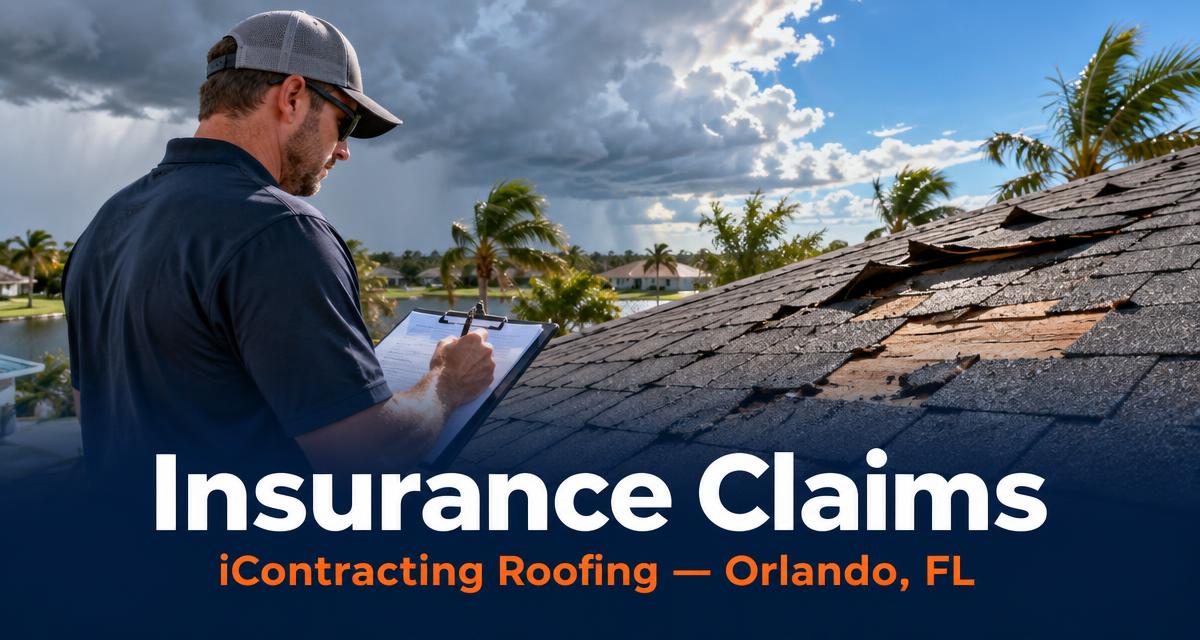
This documentation is the foundation of your insurance claim. The more thorough you are in the first 48 hours, the smoother the claim process tends to go.
Step 4: Contact your insurance company
Report the damage to your insurer as soon as you can — most policies require prompt notice. They'll assign a claim number and schedule an adjuster visit. Review your policy's hurricane deductible (in Florida it's often a percentage of your home's insured value, not a flat amount). Remember: your insurer makes the coverage decision. A roofing contractor can document damage and provide estimates, but no contractor can promise your claim will be approved.
Step 5: Get the roof tarped
If your roof is open to the weather, emergency tarping prevents weeks of additional water damage while you wait for the adjuster and permanent repairs. Most policies actually require you to take reasonable steps to prevent further damage — tarping is exactly that, and the cost is often reimbursable. Professional tarping is done safely with proper anchoring so the tarp survives subsequent rain and wind.
Step 6: Choose a contractor carefully
After every Florida hurricane, out-of-state storm chasers flood in. Protect yourself: verify the contractor's Florida license at the DBPR website, ask for proof of insurance, get everything in writing, never pay the full amount upfront, and be wary of anyone who pressures you to sign a contract on the spot or offers to "handle your insurance" in exchange for signing over your claim. A reputable local contractor will still be here next year to stand behind the work.
Frequently asked questions
Should I tarp my roof myself after a hurricane?
No — a storm-damaged roof is one of the most dangerous places a homeowner can be. Wet surfaces, hidden structural damage, and no fall protection make DIY tarping genuinely dangerous. Professional tarping crews have the equipment and training to do it safely, and the cost is often reimbursable by insurance.
How long do I have to file a hurricane damage claim in Florida?
Florida law sets deadlines for reporting property insurance claims, and policies require prompt notice. Report damage as soon as possible after the storm — delays can complicate or jeopardize your claim. Check your policy and consult your insurer for the deadlines that apply to you.
What if my claim is denied or the payout seems too low?
You can request a re-inspection, provide additional documentation, or hire a licensed public adjuster to advocate on your behalf. Keep all your photos, receipts, and contractor estimates — they're your evidence.