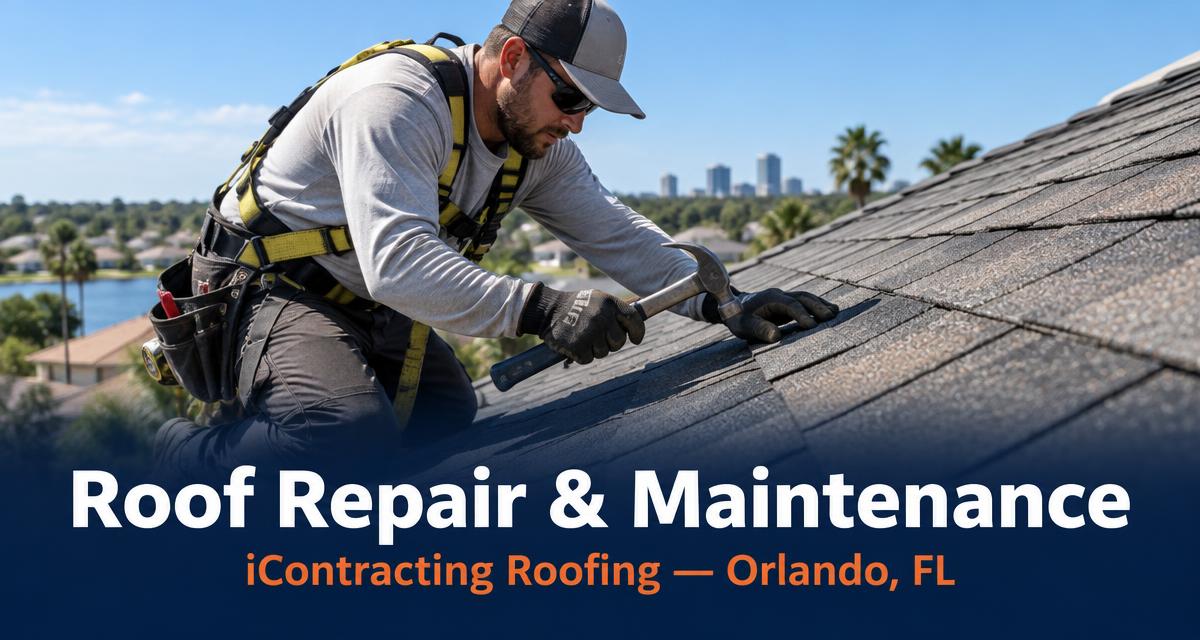
How Much Does a New Roof Cost in Central Florida?
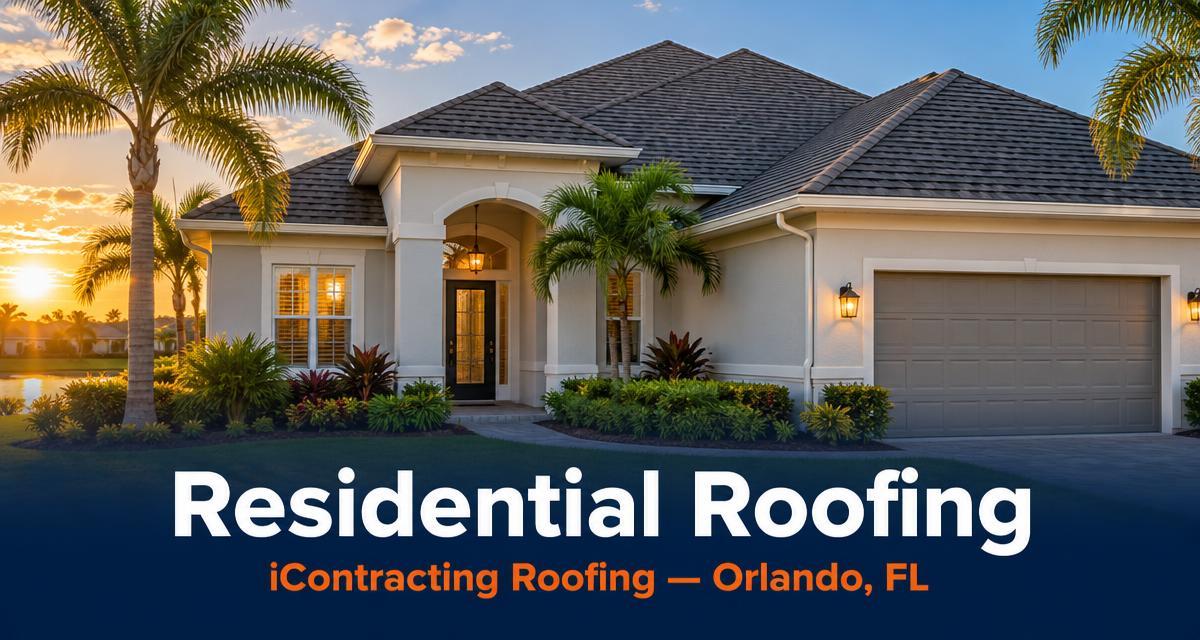
"How much will it cost?" is the first question every homeowner asks — and the honest answer is that it depends on your roof's size, pitch, material, and condition. But you deserve real numbers, not a shrug. Here are realistic ranges for Central Florida, based on what we actually see on jobs across Orlando, Kissimmee, Winter Park, Sanford, and the surrounding communities.
Typical price ranges by material
For an average single-family home in Central Florida (roughly 1,800–2,500 square feet of living space), a full roof replacement typically falls in these ranges:
- Architectural asphalt shingles: roughly $8,000–$15,000 for most homes. The most common and most affordable option.
- Metal roofing: roughly $15,000–$30,000 depending on panel type and roof complexity.
- Concrete or clay tile: roughly $20,000–$40,000+. Long-lasting but heavy and labor-intensive.
- Flat/low-slope systems (TPO, modified bitumen): priced by square footage and condition; common on commercial buildings and vary widely.
These are ballpark figures for planning purposes — not a quote. Your actual price depends on the factors below, and the only reliable number is a written estimate after an on-site inspection.
What moves the price up or down
- Roof size and pitch — steeper roofs require more safety equipment, more labor time, and often more material waste. A steep roof can cost 15–25% more than the same footprint at a low pitch.
- Tear-off condition — if the wood decking underneath has rot or water damage, those sections must be replaced. This is the most common surprise cost, which is why a thorough inspection matters.
- Material and wind rating — shingles rated for higher wind speeds cost more but are worth it in Florida.
- Roof complexity — valleys, dormers, skylights, chimneys, and multiple levels all add labor and flashing work.
- Ventilation and code upgrades — Florida code may require ventilation or fastening upgrades when you replace the roof.
- Accessibility — tight lot lines, landscaping, and multi-story homes affect setup time.
How to compare roofing estimates fairly
Get at least two or three written estimates, and compare them line by line — not just the bottom number. A trustworthy estimate should itemize tear-off and disposal, underlayment type, the exact shingle or material product, flashing, ventilation work, permit fees, and warranty terms. A suspiciously low bid often means thinner materials, skipped underlayment upgrades, or no permit — all of which cost you more later.
Ask each contractor: Is the permit included? What underlayment are you using? What happens if you find damaged decking — what's the per-sheet price? Is cleanup and nail sweep included? A contractor who answers these clearly in writing is one you can work with.
Ways to manage the cost
- Insurance — if your roof was damaged by a covered event like a hurricane or hailstorm, your homeowner's policy may cover part or all of the replacement. Document damage promptly and review your policy; coverage decisions are made by your insurer, not your contractor.
- Financing — many roofing companies offer financing options that spread the cost over time.
- Timing — scheduling outside the post-storm rush can sometimes mean faster scheduling, though material prices don't vary dramatically by season.
- Don't delay a failing roof — waiting usually turns a replacement into a replacement plus interior water damage repairs.
Frequently asked questions
What is the cheapest roofing option in Florida?
Architectural asphalt shingles are the most affordable option for most homes, typically $8,000–$15,000 for an average Central Florida home. They offer good wind ratings and a 15–25 year service life in Florida's climate.
Does homeowners insurance pay for a new roof in Florida?
It depends on the cause of damage and your policy. Storm damage from a covered event is often covered, minus your deductible; wear and age generally are not. Document damage quickly after a storm and review your policy — your insurer makes the coverage decision.
Why do roofing estimates vary so much between companies?
Differences usually come from material quality, underlayment and flashing specifications, whether permits and deck repairs are included, warranty terms, and whether the company carries proper insurance. Compare itemized estimates line by line rather than choosing the lowest total.