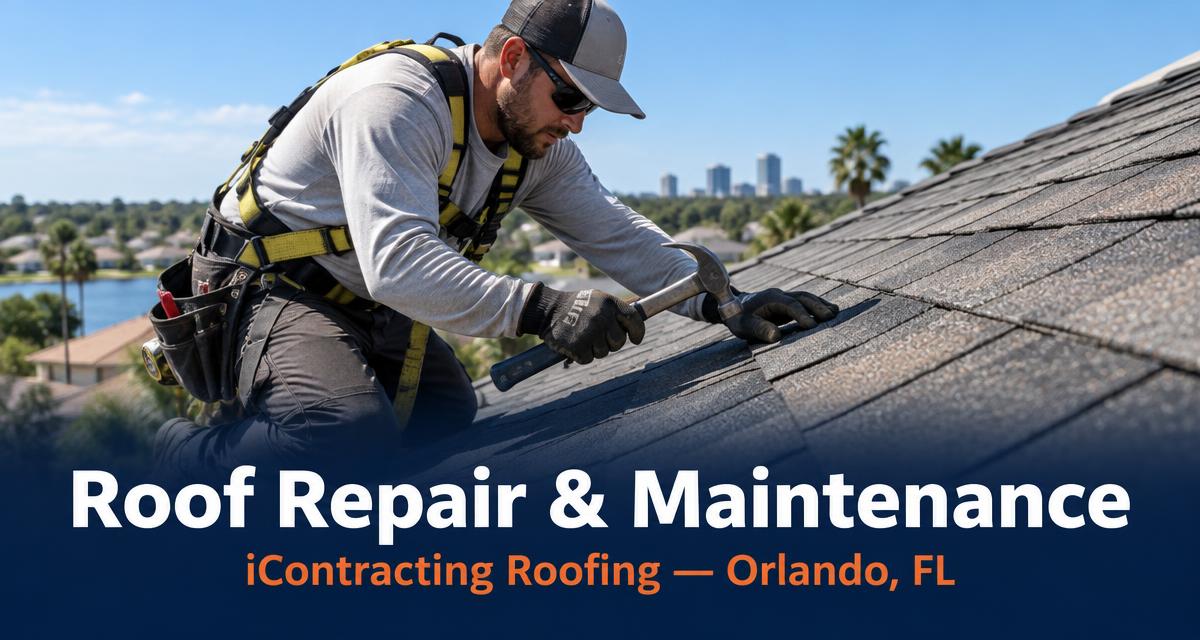
The Complete Guide to Roof Replacement in Orlando, Florida
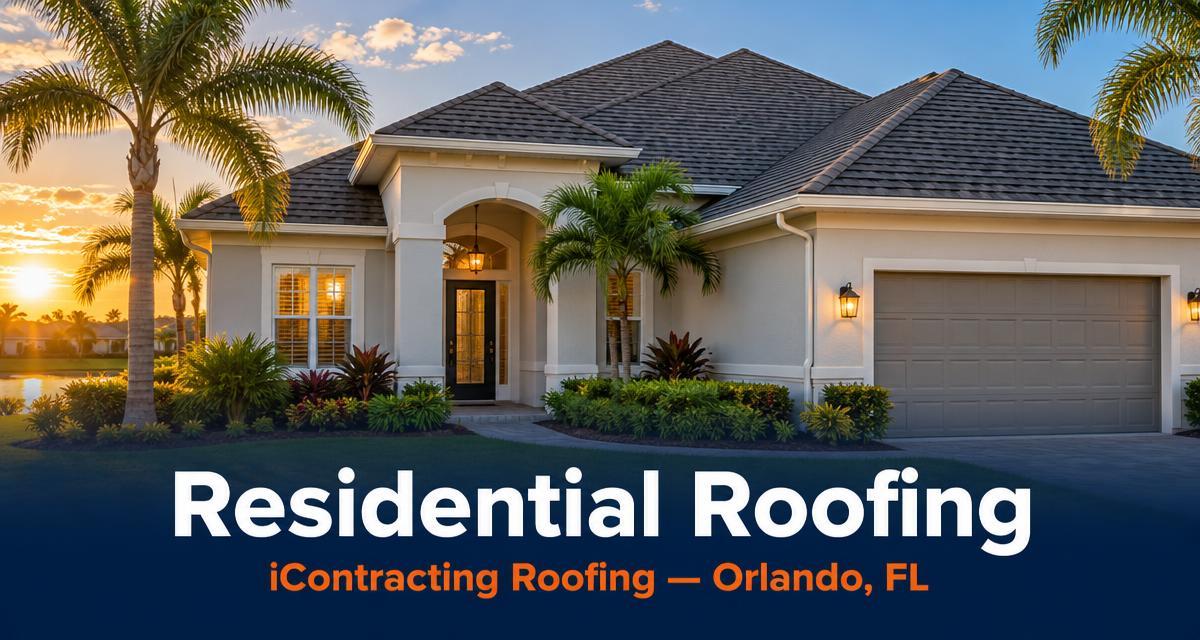
Replacing a roof is one of the biggest investments you'll make in your home. In Orlando, that decision carries extra weight: our roofs endure intense sun, heavy summer rain, high humidity, and the occasional hurricane. This guide walks you through the full process — how to know it's time, which materials hold up in Central Florida, what permits you need, and what a professional replacement looks like from start to finish.
How to know it's time to replace your roof
Most asphalt shingle roofs in Florida last 15 to 25 years — noticeably less than the same shingles in milder climates, because UV exposure and thermal cycling break materials down faster here. Common signs that replacement is near include widespread curling or cracked shingles, granules collecting in gutters, recurring leaks in different areas, and a roof that simply looks worn across its whole surface rather than in one spot.
A single leak or a small patch of storm damage usually calls for a repair, not a replacement. The general rule: if damage is localized and the roof is under 15 years old, repair first. If problems are spreading or the roof is near the end of its expected life, replacement is usually the better financial decision.
Choosing materials for the Orlando climate
- Architectural asphalt shingles — the most common choice in Central Florida. Affordable, wind-rated options up to 130 mph, and typically 15–25 years of service life in our climate.
- Metal roofing — excellent wind and rain performance, reflects heat (lowering cooling costs), and can last 40–50 years. Higher upfront cost.
- Tile (concrete or clay) — very durable in heat and resistant to rot and insects, with lifespans of 40+ years. Heavy, so the roof structure must support it.
- Flat/low-slope systems (TPO, modified bitumen) — common on commercial buildings and some modern homes. Require different installation expertise than pitched roofs.
Whichever material you choose, pay attention to the underlayment and fastening system. In Florida, a high-quality synthetic underlayment and proper nailing patterns matter as much as the visible surface — they're what keep water out when wind-driven rain gets under the shingles.
Permits and the Florida Building Code
Roof replacement in Orlando and surrounding counties requires a building permit, and the work must meet the Florida Building Code — including wind-resistance requirements that are stricter here than in most of the country. A licensed roofing contractor pulls the permit, schedules the required inspections, and makes sure the installation meets code. If a contractor suggests skipping the permit, that's a serious red flag.
Permit requirements and fees vary by jurisdiction — the City of Orlando, Orange County, Seminole County, and Osceola County each have their own process. Your contractor should handle this entirely and include it in the written estimate.
What the replacement process looks like
- Inspection and written estimate — a thorough look at the roof, decking condition, ventilation, and flashing, followed by an itemized written estimate.
- Material selection and contract — you choose materials and colors; the contract should specify materials, timeline, payment schedule, and warranty terms.
- Permit application — the contractor pulls the permit before work begins.
- Tear-off and deck inspection — old roofing is removed and the wood decking is inspected; any rotten or damaged sections are replaced.
- Underlayment, flashing, and installation — new underlayment, drip edge, flashing, and then the roofing material itself.
- Cleanup and final inspection — magnetic sweep for nails, debris removal, and the required municipal inspection to close the permit.
Most single-family roof replacements in the Orlando area take one to three days of on-site work, depending on size, material, and weather. Tile and metal take longer than shingles.
How to choose a contractor
Verify the contractor holds an active Florida roofing license (you can check any license, including ours — CCC-1333243 — at the Florida Department of Business and Professional Regulation website). Ask for proof of general liability and workers' compensation insurance, a written itemized estimate, and references from recent local jobs. Be cautious of anyone who shows up unsolicited after a storm, demands large upfront payment, or pressures you to sign immediately.
Frequently asked questions
How long does a roof replacement take in Orlando?
Most single-family homes take one to three days of on-site work for asphalt shingles. Tile and metal roofs take longer. Permitting and material delivery add time before the work starts, so plan on two to four weeks from signed contract to completed job in typical conditions.
Do I need a permit to replace my roof in Florida?
Yes. Roof replacement requires a building permit and must meet the Florida Building Code's wind-resistance requirements. A licensed contractor pulls the permit and schedules the required inspections as part of the job.
Can I stay in my home during a roof replacement?
Yes, most homeowners stay home during the work. Expect significant noise during tear-off and installation, and keep pets and children away from the work area and driveway where debris and nails may fall.